
A small group of Holybourne Village Association (HVA) members has been gathering information since October 2025 for a review of how our village is governed and run.
Current situation:
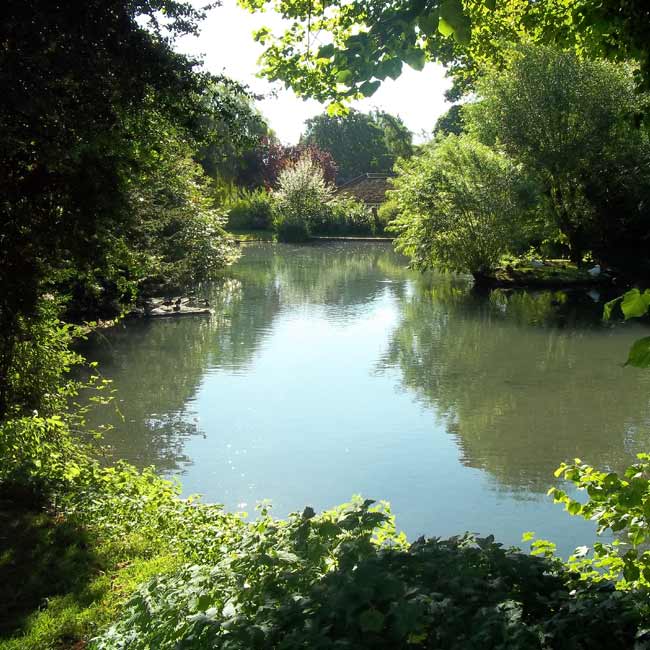
Holybourne is governed by Alton Town Council (ATC). For example, whilst any planning applications affecting land in the village will be discussed at the monthly meeting of HVA, it is in fact ATC who will respond formally to East Hampshire District Council (EHDC). ATC’s funding is based on the size of population it governs which includes Holybourne. It makes decisions for the village on which activities to support, what services should be delivered and where council tax revenue should be spent, awarding grants for issues such as the Speed Indicator Display or for the maintenance of the pond.
HVA has a written constitution** but has no statutory or legal status. The current local Town and District Councillors – Graham Hill and Don Hammond, and until his recent retirement, Andrew Joy, regularly attend meetings and the new Councillor Emily Young now also attends. There are currently 11 members on the HVA including the Chairman Rob Law, Secretary Andy Muir and Treasurer Sam Dalton. All residents of the village are welcome to attend any meeting. The HVA is not responsible for the Village Hall, the Sports Field or Holybourne Theatre (separate committees have been set up to run these). Instead, it focuses on activities such as the annual Summer Picnic, Remembrance Day Service and Fireworks Display for which it depends upon the time and energy of HVA volunteers.
Before we go too far into the subject, it is important to understand the wider picture and what is expected to change in 2028 when, under the Local Government Reorganisation (LGR) scheme introduced by central government, Hampshire will be split into a number of unitary authorities and Councils, such as EHDC, will cease to exist. In the last Holybourne Village Magazine (Spring) these prospective changes were outlined. We simply do not know at this stage how the proposed restructure could affect the village and how it is run nor, if Holybourne residents decide to establish a Parish Council in place of HVA, how we would go about that.
Parish and town councils will not be reorganised under Hampshire’s unitary reforms, but their importance is likely to grow…so is this a good time to be considering becoming a Parish?
Considerations:
Importantly, we have to examine whether it is necessary to make the change to a Parish Council at all if HVA, together with the Village Hall and Sports Field committees are doing the job already?
Some of the pros and cons for making this change are listed below and will be shared with all residents so that, when the time comes to take part in a village poll, it is hoped that all residents will be able to make an informed decision.
At the very least at the end of this review and if the decision is to maintain the status quo, residents will understand what HVA does and maybe even give some thought to any improvements that could be made – perhaps even decide to join the committee.
Pros
- A more formal, regulated and legal framework than the current HVA which means for example, our comments on planning applications carry more weight.
- Entitled to raise a precept and/or receive a proportion of Council Tax to fund activities and a legal status which enables the village to apply for funding, grants etc. and a share of any CIL affecting the village.
- Benefit of an experienced, salaried Parish Clerk who can guide decision-making and ensure all regulations are adhered to.
- Would enable better collaboration with the Village Hall, Sports Field, and other village groups by working with the committees for those amenities.
- Will enable Holybourne residents, via their Parish Councillors, to make local decisions rather than relying on Alton Town Councillors who have to manage and run Alton and surrounding area and have limited time to focus on Holybourne. This would enable village residents, rather than ATC, to make very local decisions e.g. the provision of allotments, speeding signs, playground equipment and other subjects that affect their way of life in this village.
- In any future Local Plan, Holybourne would be considered separately from Alton and placed in a lower tier when considering capacity for future development. In the most recent Plan, it was moved from Tier 4 (small village) and included with Alton in Tier 1.
- Holybourne would be able to represent itself at Planning Committee meetings rather than be represented by ATC and possibly be able to give a more local response.
Cons
- Could be seen as another layer of bureaucracy – more formal and more complex admin -though there would be a paid Clerk to deal with the administration.
- Could be seen as political because councillors will be elected – if sufficient people are willing to stand. Most Parish Councils are not Political.
- Easier to maintain the status quo i.e. allow ATC to fulfil the role as part of wider Alton community.
- Could be viewed as carrying less authority than the much larger ATC.
How the process works:
- The basic procedure, as we understand it, is that HVA would need to submit a formal petition to EHDC of not less than 250 signatures.
- The petition would need to define the area to be comprised in the Parish Council. (This would need careful consideration re what to include/not include e.g. Barleyfields and Anstey area). It would also need to specify the recommendations which we wish EHDC to consider making.
- If the proposed Parish Council has more than 1000 electors, then EHDC is obliged to recommend going forward. The Order must be made within 12 months.
The Order would provide for transfer and management of property, the transfer of any legal proceedings and make appropriate electoral arrangements.
Next steps:
- The LGR sub-group will continue to explore this option with a view to making a representation to villagers.
- It will continue to obtain further advice and information from relevant organisations e.g. Binsted Parish Clerk/council, EHDC Parish Council contact, National Association of Local Councils and other (village) associations who are going through process.
- It will make a presentation to the village and carry out a leaflet drop to all households. Villagers will be invited to respond to a poll to see whether there is sufficient support for this change. If the decision is made to go ahead with the project, the sub-group will invite interested village residents to join the group.
- It will also invite representatives from amenities – such as Village Hall member Sports Field Trust member, Holybourne Theatre member, War Memorial member – to join the team.
Looking forward: